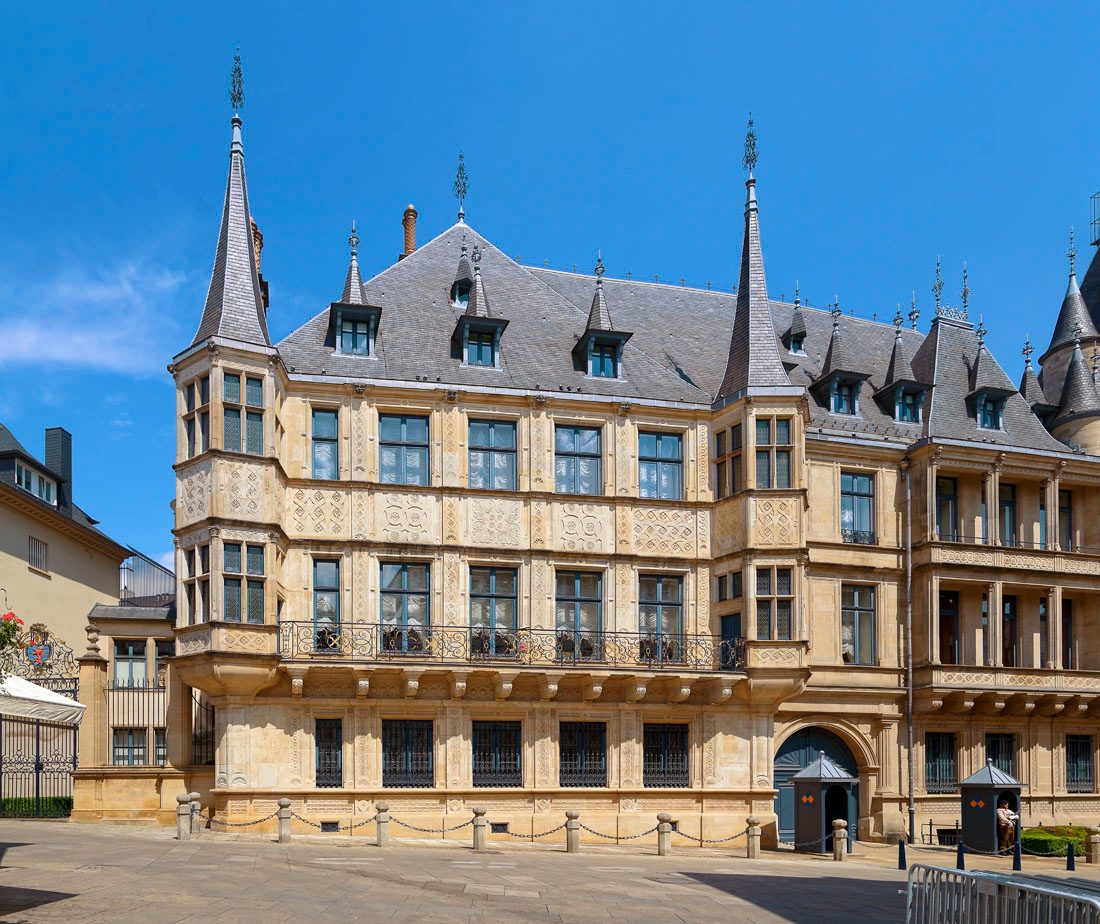
Grand Ducal Palace
5 min walk
This 16th-century residence offers a look at the official home of the Grand Duke and serves as a quiet contrast to the bustling market atmosphere.
Luxembourg's culinary identity reflects its position at the crossroads of French and German traditions, shaped by centuries of border shifts and seasonal rhythms. The city's public markets and neighborhood eateries offer direct access to regional producers, artisan vendors, and dishes that have remained unchanged for generations. This guide maps the most reliable sources for authentic ingredients and prepared foods rooted in the Grand Duchy's terroir.
Quick answer
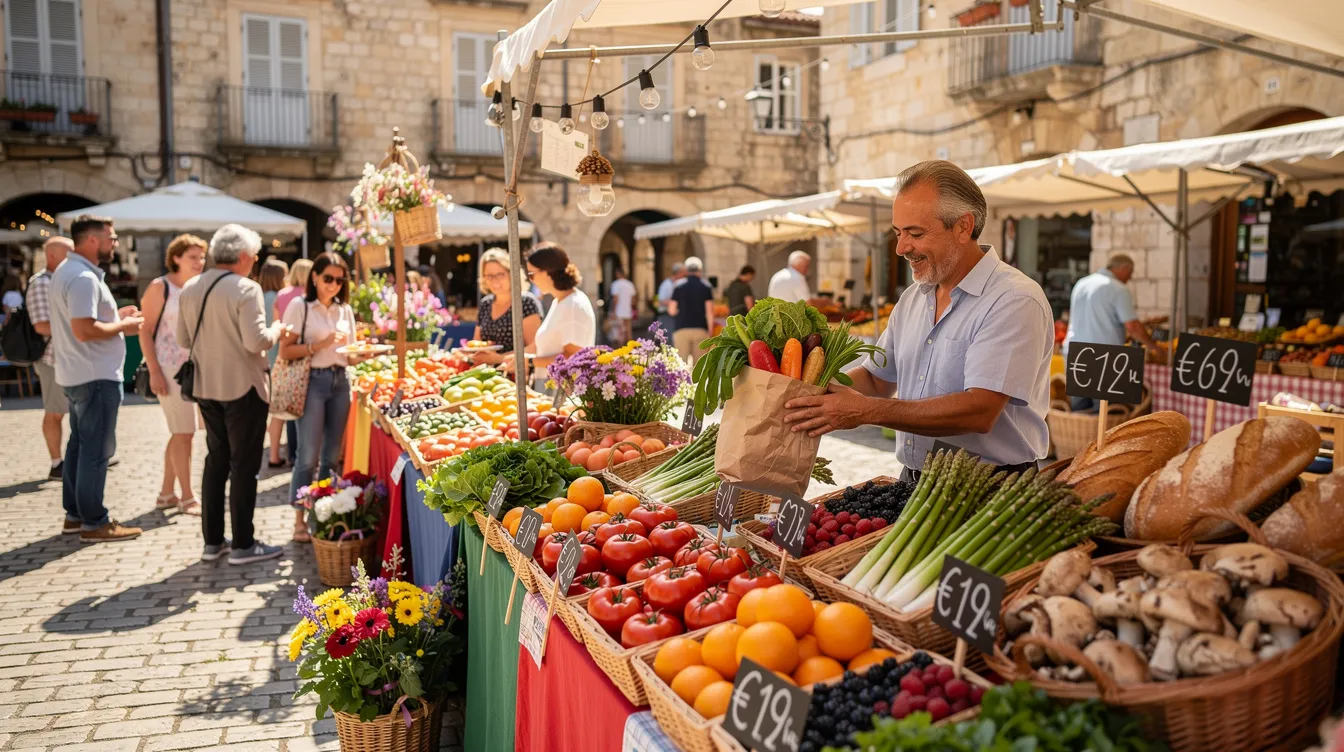
Local food in Luxembourg centers on Place Guillaume II's public market, open Tuesday through Sunday from 08:00 to 18:00, where regional farmers and artisan producers sell seasonal vegetables, Luxembourg Moselle wines, Oesling cheeses, and smoked Éisleker ham. Traditional prepared dishes—Judd mat Gaardebounen (smoked pork collar with broad beans), Bouneschlupp (green bean soup), and Gromperekichelcher (potato fritters)—are available at the market's ready-food stalls and in brasseries throughout the Ville Haute and Grund districts.
Luxembourg produces 15 AOC-protected Moselle wines, seven regional cheeses, and a smoked-pork tradition that predates the nation itself. The country's culinary footprint is small by European standards—just 2,586 square kilometers—but its position between Lorraine, the Ardennes, and the Rhine valley has preserved techniques and ingredients that vanished elsewhere during industrialization. Place Guillaume II hosts the city's primary public market, a twice-weekly gathering that has operated on the same cobbled square since 1829. Vendors arrive before dawn from the Moselle valley to the east, the Oesling plateau to the north, and the Minette iron basin to the south. Stalls display root vegetables stored in sand through winter, wild garlic foraged from beech forests in April, and Quetschentaart (damson plum tart) baked in wood-fired ovens each September. The market functions as both a supply chain and a cultural anchor; regulars negotiate in Luxembourgish, vendors label produce by village rather than varietal, and prices remain fixed throughout the morning. Traditional dishes reflect the country's agrarian calendar and its historic reliance on preservation. Judd mat Gaardebounen emerged as a way to extend the utility of autumn-slaughtered pigs; the collar is brined for three weeks, cold-smoked over beechwood, then simmered with beans dried from the summer harvest. Bouneschlupp appears on menus from May through October, timed to the green bean window, and is finished with cream from the Oesling's Simmental dairy herds. Gromperekichelcher—shallow-fried potato pancakes served with applesauce—originated as Moselle wine-festival fare in the 1860s and remain the default street food at the city's Schueberfouer fair each late August. Beyond the market, local food in Luxembourg is found in neighborhood brasseries that source from the same regional network. Establishments in the Grund valley and along Rue Chimay in the Ville Haute serve fixed menus built around seasonal availability rather than year-round consistency. Game from the Ardennes forests—wild boar, venison, hare—appears from October through February. Moselle Riesling and Auxerrois are poured by the carafe, labeled by commune rather than estate. The city's food culture rewards persistence; there are no curated food halls or heritage trail signage, only unmarked doorways, market routines unchanged in decades, and dishes that exist because they never stopped being made.
“Vendors label produce by village rather than varietal, and prices remain fixed throughout the morning.”
The best arrival window is 08:00–11:00 to experience the freshest local produce and avoid mid-day crowds. Planning your visit for these morning hours ensures access to the full selection of market goods before stocks deplete.
Mild, 10°C to 18°C. Ideal for outdoor market exploration before peak summer heat.
Cool, 8°C to 16°C. Excellent for finding seasonal harvest products and local specialties.
—
Visit during these hours to secure the best produce and interact with vendors when the market is less busy.
Verdict: The best slot for visiting is Tuesday to Thursday between 08:00 and 11:00 during the months of April or October.
The local market at Place Guillaume II is open Tuesday through Sunday, remaining closed on Mondays.
The local food market is located at Place Guillaume II, 1648 Luxembourg, in the heart of the city center. It is most easily accessed by public transport or on foot from the surrounding pedestrian zones.
Lines 1, 2, 4, 10, or 19 to Hamilius stop
To Luxembourg Gare Centrale
Parking Knuedler (underground)
If arriving by car, use the underground Parking Knuedler located directly beneath Place Guillaume II for the most direct access to the market area.
The central location of the market at Place Guillaume II allows visitors to easily combine a food-focused morning with exploration of the historic city center. These sites are all within a short walk, making it simple to digest local flavors while touring the capital.
5 min walk
This 16th-century residence offers a look at the official home of the Grand Duke and serves as a quiet contrast to the bustling market atmosphere.
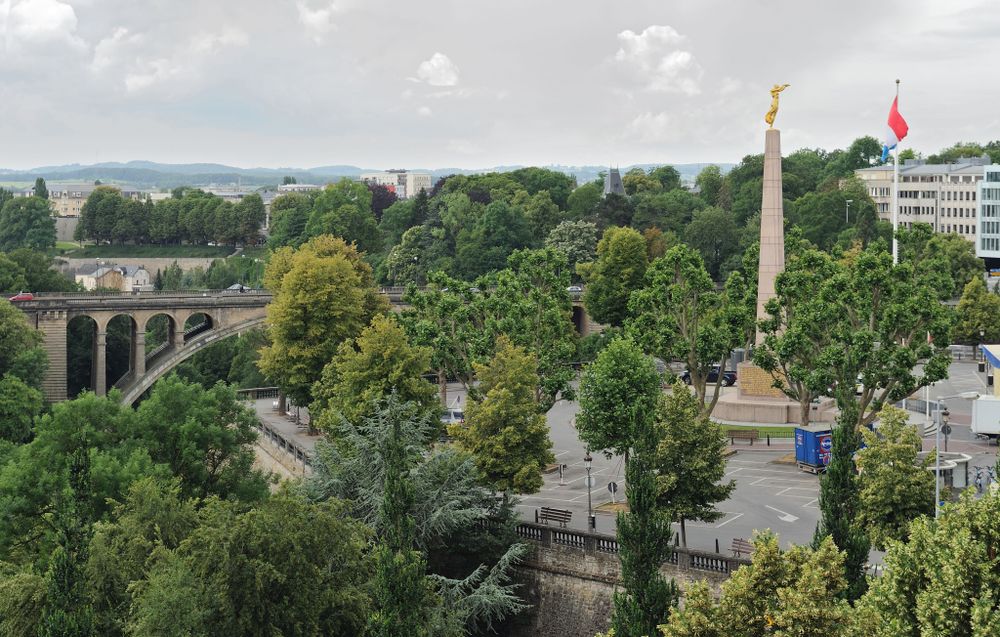
8 min walk
Located near the Gëlle Fra monument, this square provides expansive views of the Pétrusse Valley and is ideal for a post-market stroll.
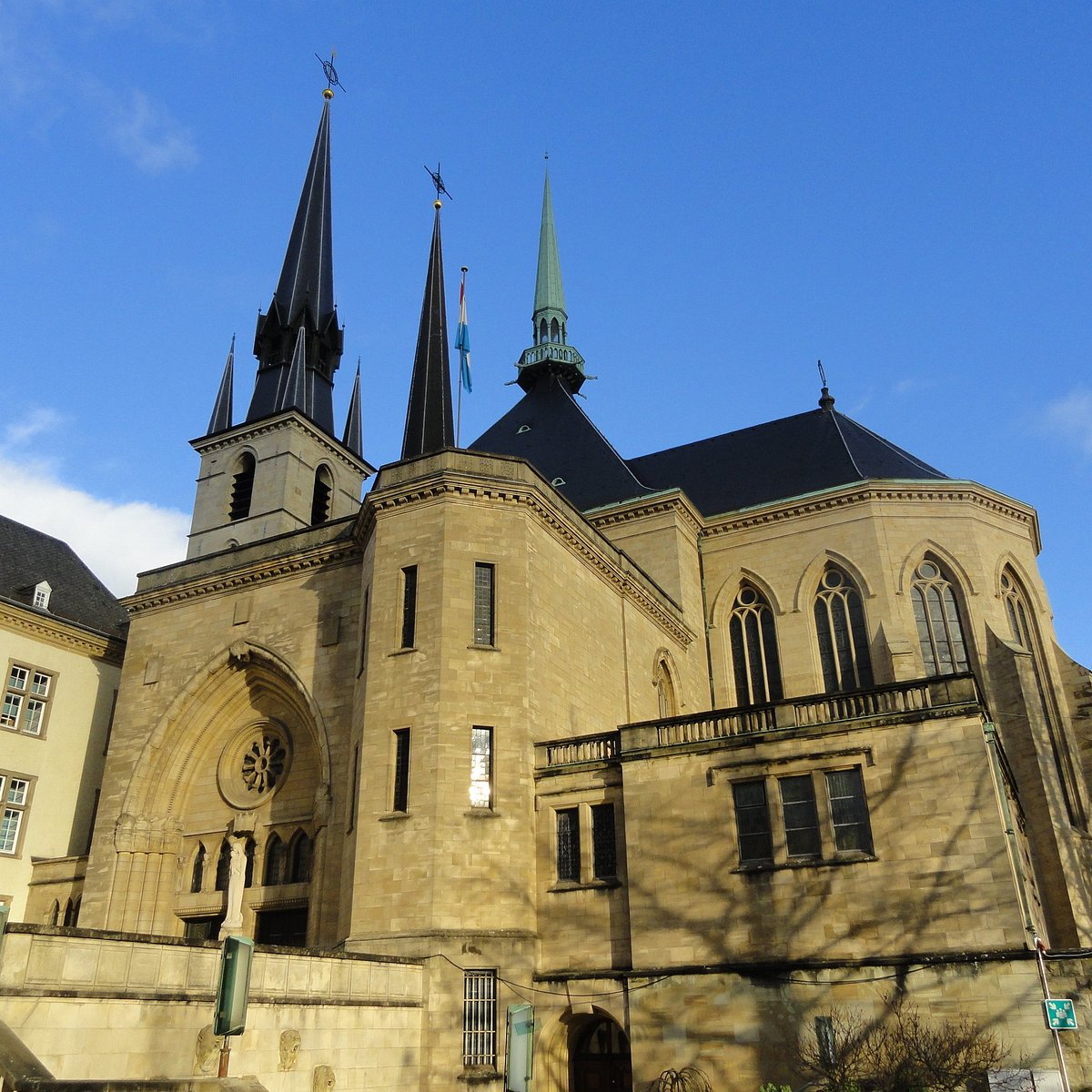
4 min walk
This late Gothic cathedral is situated just a few blocks from the market and houses the royal crypt, providing a deeper look into the city's heritage.
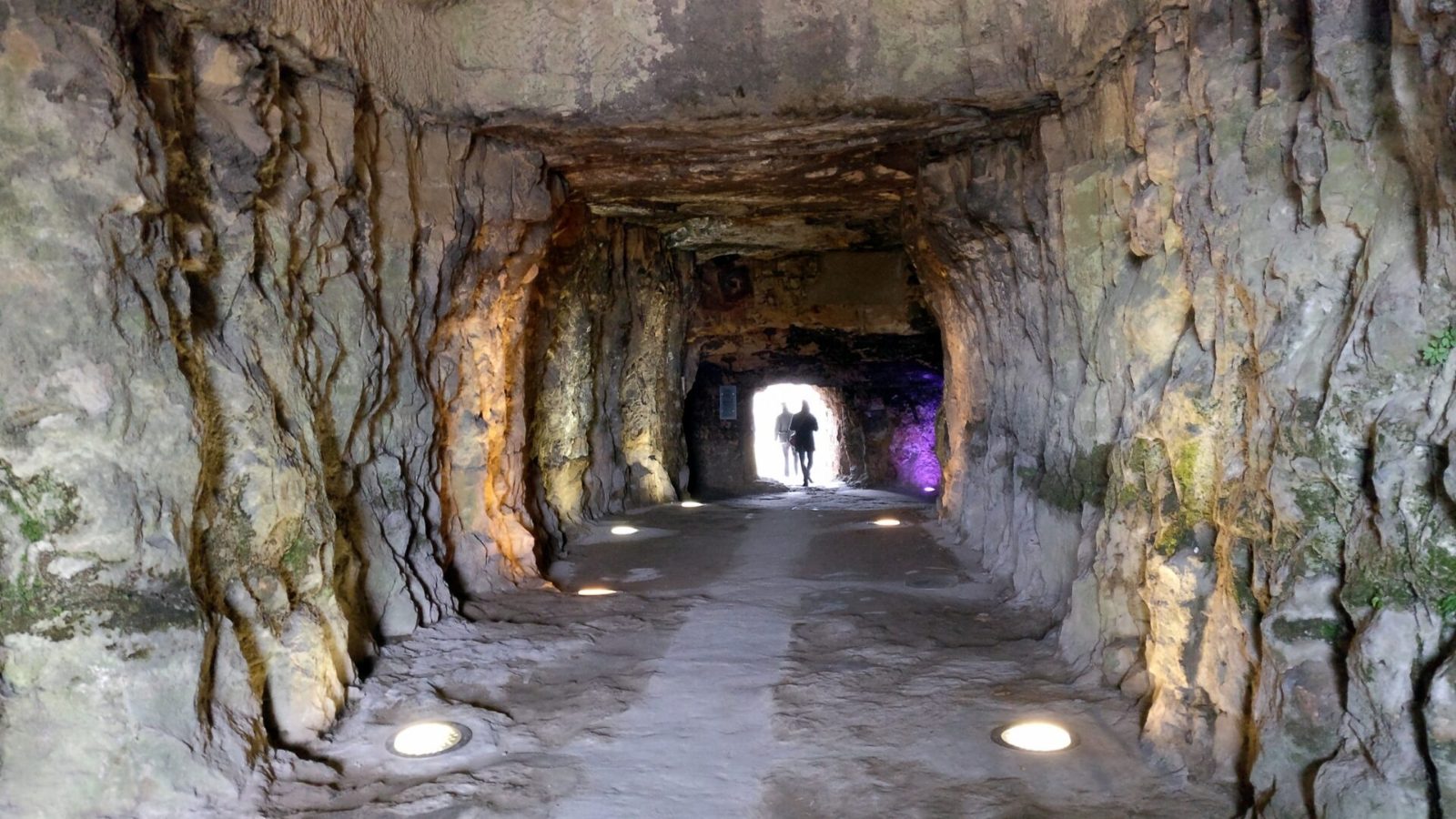
12 min walk
These historic defensive tunnels offer a glimpse into the military history of the city and provide a route toward the lower Grund district.
Everything you need to know about local food in luxembourg
The public market area provides a vibrant atmosphere where visitors can discover artisanal cheeses, fresh pastries, and regional charcuterie. It serves as a central hub for those seeking to explore local food in Luxembourg through authentic market stalls. You will find that these vendors emphasize seasonal ingredients and traditional culinary practices. Exploring this space allows you to experience the true flavors of the region in a historic setting.
Access to the public market area is completely free of charge. You do not need to pay an entrance fee to browse the stalls and sample local food in Luxembourg. This open-access policy makes it a convenient stop for any visitor interested in culinary exploration. Please note that individual purchases of goods are paid directly to the merchants.
The market is open from Tuesday through Sunday, between 08:00 and 18:00. It is closed on Mondays, so please plan your trip accordingly if you are seeking local food in Luxembourg during your stay. These consistent daily hours provide flexibility for both morning and afternoon visits. We recommend checking the official site for any specific holiday closures.
For the most pleasant experience, the best arrival window is between 08:00 and 11:00. Arriving early helps you secure the freshest seasonal produce and avoid the peak mid-day crowds often seen at this destination for local food in Luxembourg. Visiting during these morning hours ensures a relaxed atmosphere to browse at your own pace. You will find that local vendors are most active and fully stocked during this time.
The main market location is situated at Place Guillaume II, 1648 Luxembourg. This historic square is easily accessible and serves as the primary site for finding high-quality regional items. You can navigate toward this landmark when searching for an authentic culinary experience in the heart of the city.
Yes, the market is a family-friendly destination suitable for visitors of all ages. Exploring the stalls for local food in Luxembourg is a great way to introduce children to diverse tastes and regional products. The open layout of Place Guillaume II allows families to move comfortably throughout the market area. It remains a welcoming environment for a casual walk or a quick snack during your outing.