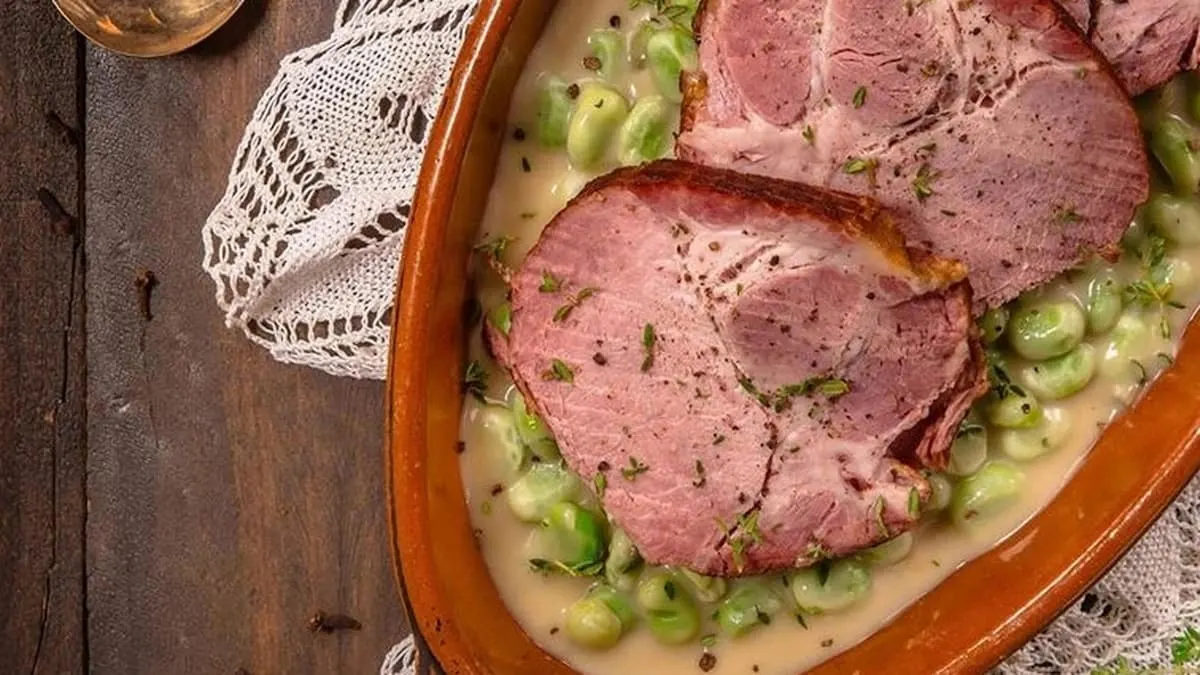
Judd mat Gaardebounen
This dish consists of smoked pork collar served with broad beans in a creamy sauce. It is often considered the national dish of Luxembourg.
Order this during lunch for the most authentic experience.
Luxembourg's culinary identity is shaped by its position between France, Germany, and Belgium, resulting in hearty, comforting dishes that reflect centuries of cross-border influence. This guide introduces the traditional foods that define Luxembourgish cuisine, from slow-cooked pork and beans to crispy potato fritters. Understanding these dishes helps you navigate menus and experience the country's food culture authentically.
Quick answer
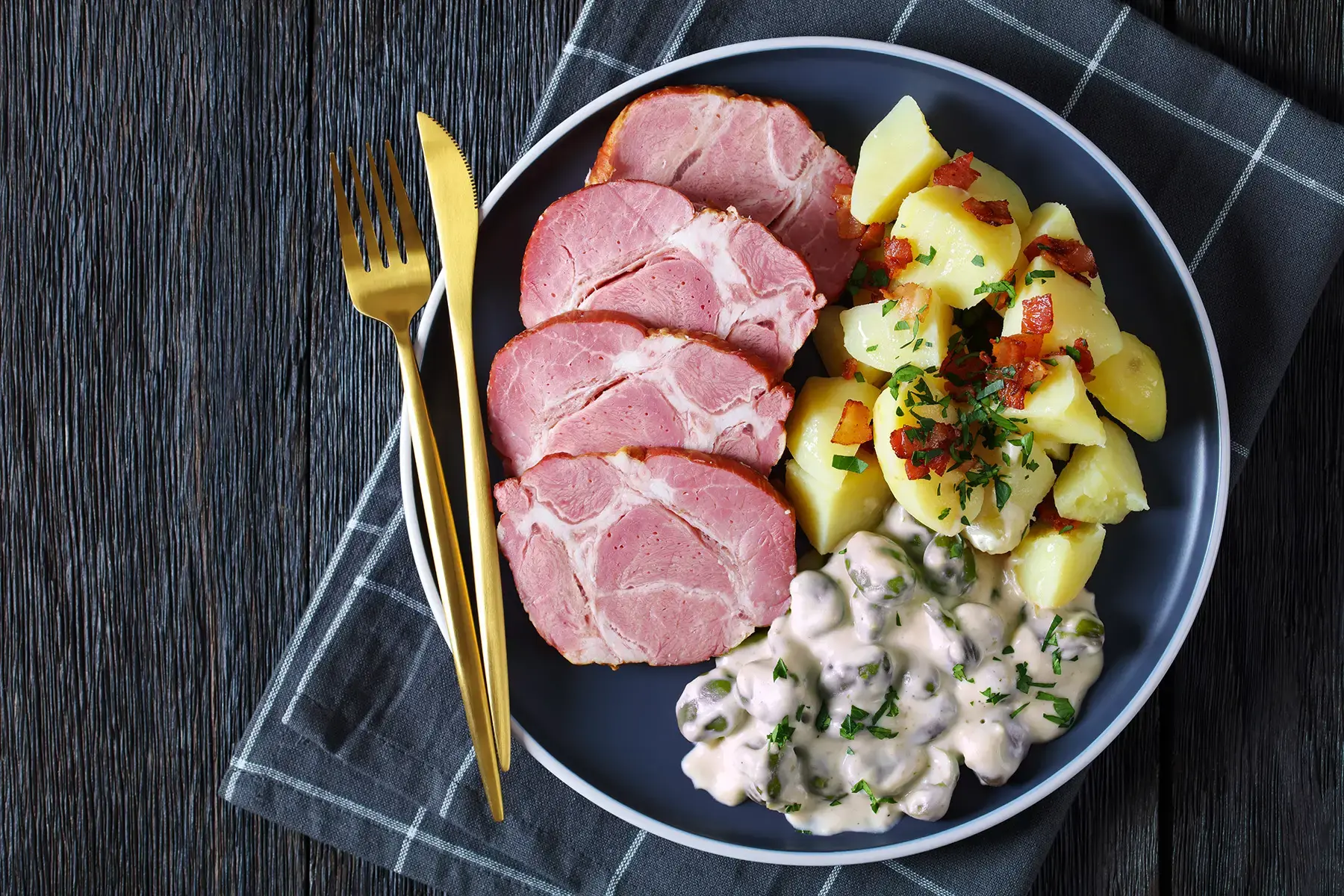
Luxembourg famous food centers on hearty, traditional dishes like Judd mat Gaardebounen (smoked pork collar with broad beans), Bouneschlupp (green bean soup), and Gromperekichelcher (crispy potato pancakes). These classics appear on menus across Luxembourg City and rural restaurants alike, with lunchtime—between 12:00 and 14:00—offering the best opportunity to experience freshly prepared versions served in their traditional form.
The national dish of Luxembourg is a plate that takes two days to prepare properly. Judd mat Gaardebounen requires the pork collar to soak overnight, then simmer for hours with broad beans, onions, and savory until the meat yields to a fork and the beans collapse into a creamy sauce. The dish reflects the country's agricultural past, when preserving meat through smoking and slow cooking stretched ingredients across lean months. Luxembourg's culinary traditions draw from French refinement and German substance, but the combinations are distinctly local. Bouneschlupp, a green bean soup thickened with potatoes and cream, appears as a first course in family-run restaurants throughout the Grund and Clausen districts. Gromperekichelcher—grated potato pancakes fried until the edges turn golden and crisp—are sold at street markets and festivals, served with applesauce or on their own. Kachkéis, a melted cheese spread seasoned with beer and served over boiled potatoes, originated in the mining communities of the south and remains a staple in traditional brasseries. These dishes share a common structure: simple ingredients, patient preparation, and flavors built through reduction rather than addition. The food culture in Luxembourg follows a rhythm tied to the midday meal. Restaurants serving Luxembourgish specialties open their kitchens at noon and fill quickly by 12:30, with multi-course lunches that include soup, a main of smoked meat or river fish, and a dense plum tart called Quetschentaart. Evening menus often shift toward French or Italian preparations, making lunch the reliable window for experiencing traditional dishes as they were intended. The Moselle wine region supplies the Riesling and Pinot that accompany these meals, and many restaurants feature wine lists dominated by local producers. Seasonal variations shape what appears on the plate. Träipen, a blood sausage fried with apple rings and mashed potatoes, surfaces in autumn and winter. Kuddelfleck—strips of fried tripe in a tomato-based sauce—divides opinion but remains a fixture at neighborhood bistros near the central station. Pastries like Verwurelter, a sweet yeast bread shaped into a knot, and Äppelklatzen, an apple-filled tart, follow the harvest calendar. Understanding luxembourg famous food means recognizing these patterns: the dishes that anchor everyday menus, the seasonal items that rotate through, and the midday hours when kitchens commit fully to the traditional repertoire.
“Judd mat Gaardebounen requires the pork collar to soak overnight, then simmer for hours until the meat yields to a fork and the beans collapse into a creamy sauce.”
The best arrival window for experiencing traditional Luxembourgish cuisine is 12:00–14:00. This timeframe provides the ideal conditions for enjoying hearty local main courses in restaurants throughout the city.
Mild, 10°C to 18°C
The season offers pleasant temperatures for walking between eateries. Outdoor seating becomes available as local menus feature fresh seasonal ingredients.
Warm, 15°C to 24°C
City streets are busy during the lunch window. Reservations are recommended for popular traditional dining spots during these months.
Cool, 8°C to 16°C
This period features harvest-inspired dishes. It is a quiet time to explore the local culinary scene before winter sets in.
Cold, 0°C to 7°C
Traditional hearty stews and heavy dishes are prominent. The 12:00–14:00 window remains the most active period for dining.
Verdict: The best slot for dining is between 12:00–14:00, particularly during the shoulder seasons of May or September.
Luxembourgish cuisine reflects a blend of rustic tradition and local ingredients, centered on hearty, savory preparations. These signature dishes define the local culinary identity.
This dish consists of smoked pork collar served with broad beans in a creamy sauce. It is often considered the national dish of Luxembourg.
Order this during lunch for the most authentic experience.
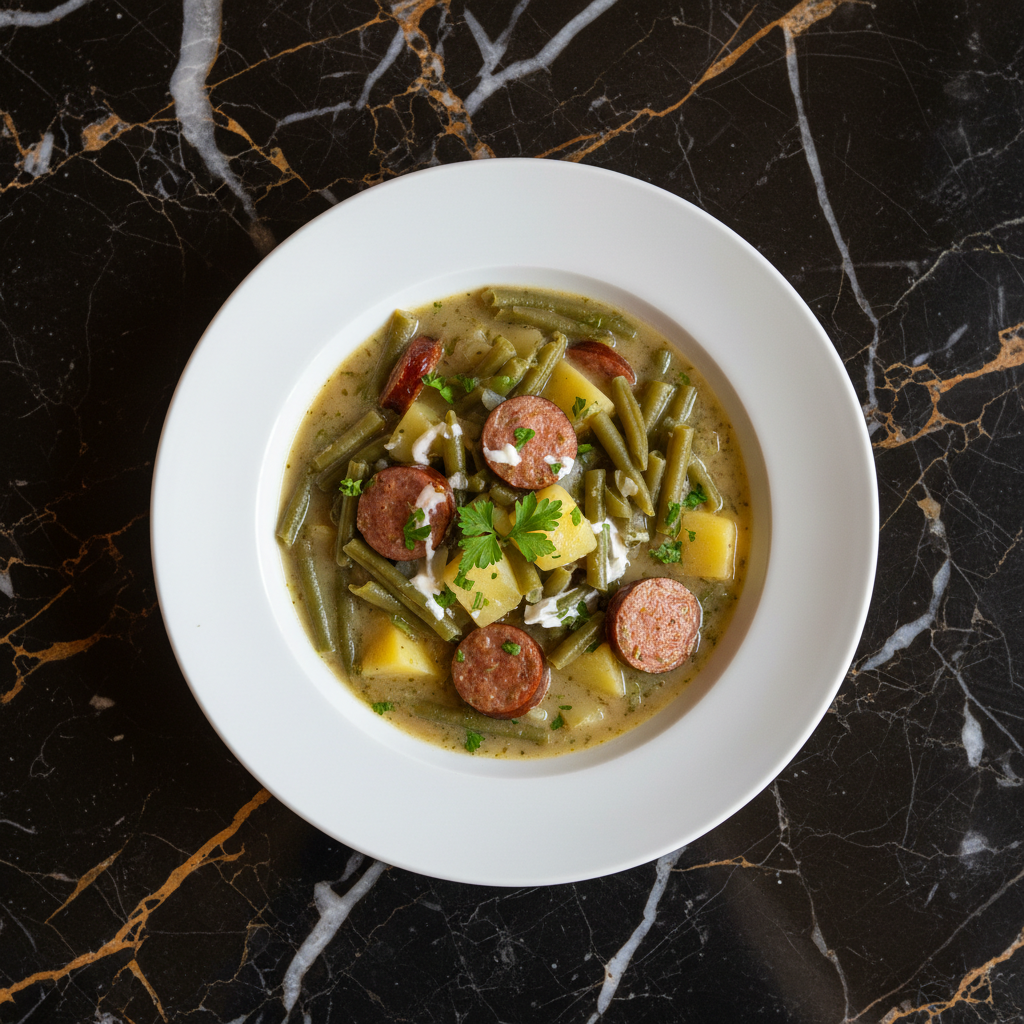
A traditional green bean soup prepared with potatoes, bacon, and onions. Some variations include sausage or cream to enhance the texture.
Look for local variations that feature seasonal garden vegetables.
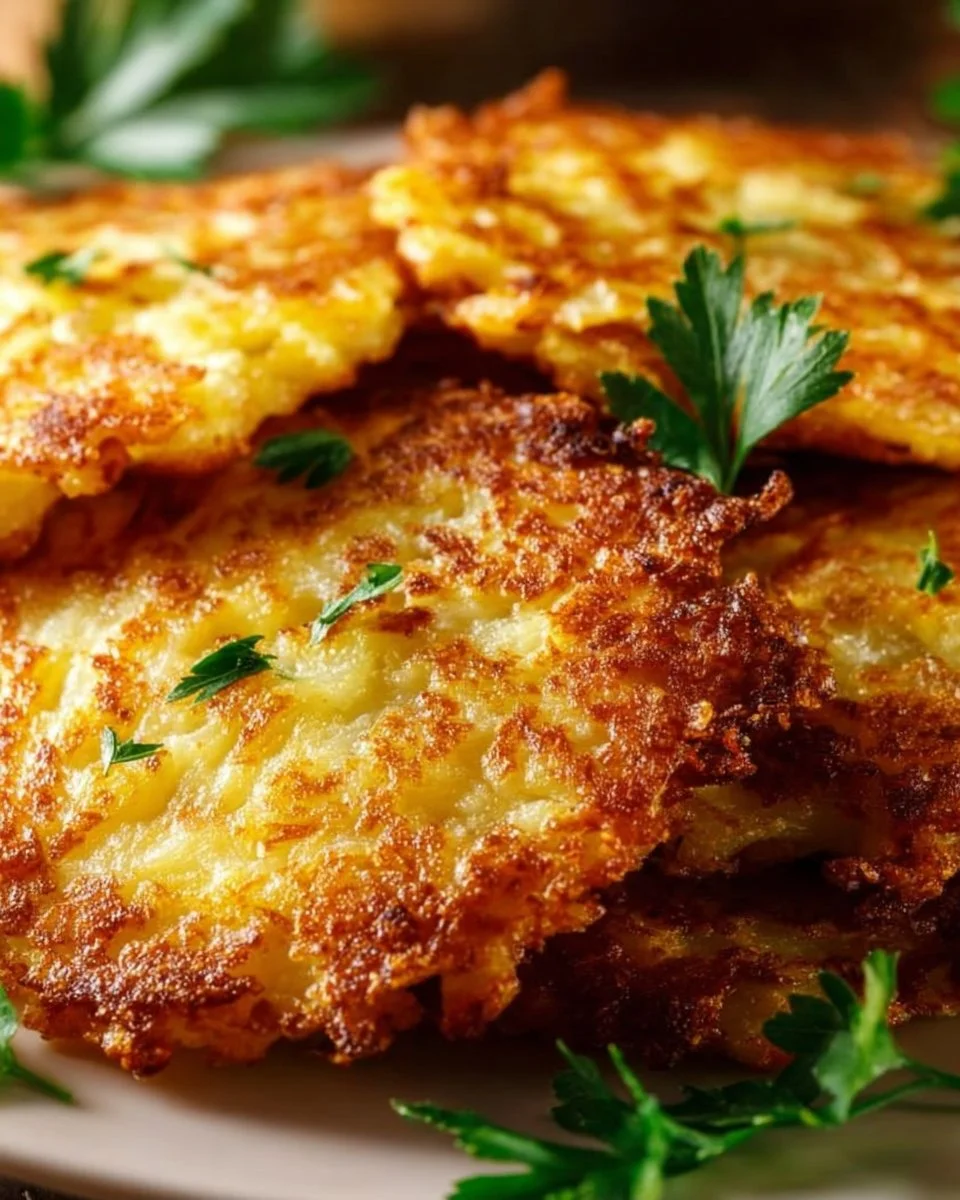
These are spiced potato pancakes fried until crispy, typically seasoned with parsley and shallots. They are frequently found at street markets and local festivals.
Eat them while hot for the best texture.
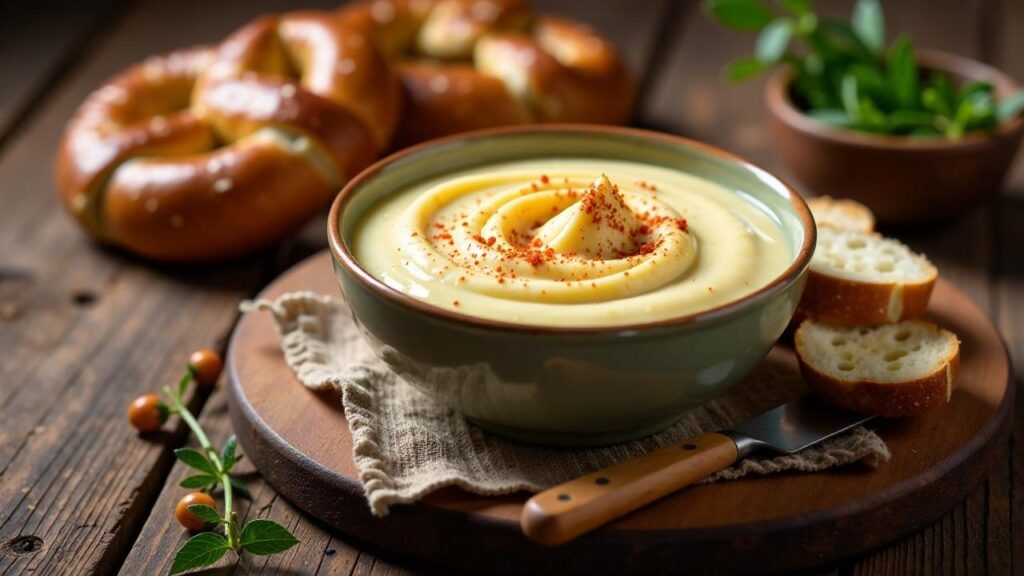
A cooked cheese spread made from melting small pieces of cheese with butter, milk, and cream. It is usually served spread over bread.
Spread thinly on fresh bread for a balanced snack.
Luxembourg City provides numerous establishments dedicated to traditional local recipes. While central restaurants offer sit-down experiences, local markets and smaller eateries serve as practical alternatives for those seeking traditional flavors without the tourist-oriented pricing.
restaurant
Located in the city center near Place Guillaume II, this venue is well-known for traditional Luxembourgish meat dishes.
restaurant
Found in the Grund district, this establishment focuses on regional classics in a setting that reflects local culinary traditions.
market
Located near the city park, this area allows visitors to assemble a picnic of local cheeses and charcuterie from nearby shops.
restaurant
Situated in the heart of the capital, this restaurant maintains a menu centered on authentic, home-style Luxembourgish cooking.
Traditional restaurants serving classic Luxembourgish dishes operate on a strict schedule throughout the week.
Everything you need to know about luxembourg famous food
Judd mat Gaardebounen, featuring smoked pork collar with broad beans, is widely considered a staple of the national cuisine. This hearty dish reflects the country's agricultural heritage and remains a centerpiece of local gastronomy.
The best arrival window is 12:00–14:00, as lunchtime is the optimal time to experience traditional local dishes in restaurants. Planning your meals during these hours ensures access to fresh ingredients and authentic preparation.
There is an entrance fee of 0 EUR for engaging with this cultural category. Luxembourgish cuisine is a tradition shared in public restaurants rather than a venue with tickets.
Yes, joining a guided tasting is a convenient way to sample luxembourg famous food while learning about the history of ingredients like river fish and Ardennes ham. These excursions highlight regional specialties and help visitors navigate local menus.
Authentic Luxembourgish culinary culture is defined by a blend of French sophistication and German heartiness. It relies heavily on local produce, including potatoes, pork, and delicate white wines from the Moselle region.
While dining out to enjoy luxembourg famous food, tipping is generally appreciated but not mandatory, as service charges are often included. It is customary to greet staff upon arrival, and lunch is typically regarded as the primary meal of the day.